
Give the message a clear place on the page
Print Design
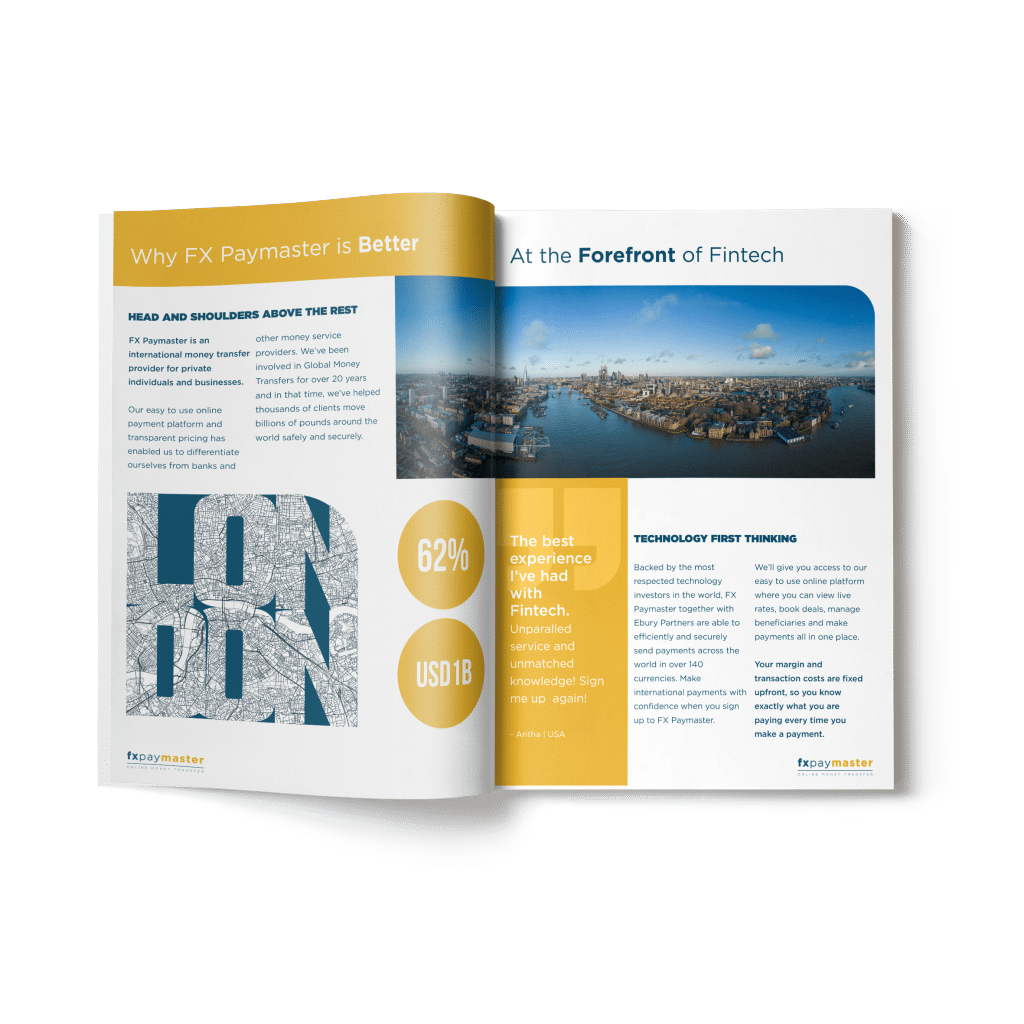
Printed material should make information easy to follow and give your business a consistent presence. We design brochures, business cards, stationery and other business collateral around the audience, message and format. Whether you need one item or a coordinated set, the work begins with the content and the practical requirements for producing it.
At a glance
A clear starting point
Good print design brings the detail together: a readable hierarchy, appropriate imagery, consistent brand application and artwork prepared for the agreed production requirements. The printed piece needs to work in someone’s hands as well as on a screen.
- Make the information readable Use layout, type and imagery to help the reader find the important message.
- Design for the actual format Consider page count, folds, finished size and the way the item will be used.
- Prepare a clear handover Confirm the printer specifications and content approval before releasing artwork.
Explore this service
Our approach
What we do
Brochures and business collateral
We organise supplied content into a visual sequence that suits the reader and the purpose of the piece. A company introduction, product brochure and event handout need different levels of detail. Agree the key message and the intended next step before deciding how many pages the material needs.
Stationery and coordinated items
Business cards, letterheads and related collateral should feel connected without forcing every format into the same layout. The identity guides typography, colour and spacing, while the content requirements determine the hierarchy. Confirm the necessary contact details, variants and user names before artwork is expanded across a set.
Editorial layout and information hierarchy
Longer documents need consistency across headings, paragraphs, captions and images. We consider how readers move between an overview and more detailed information. Real copy is important here: a layout that looks balanced with placeholder text may not suit the approved content or final page count.
Artwork adaptations
A design may need versions for different audiences, languages, branches or formats. Identify those variations in the brief, including what remains shared and what changes. This helps keep the visual system consistent and makes version approval more manageable than handling each adaptation as an isolated request.
Production artwork and proof review
The final artwork needs to follow the agreed printer specifications, including size, bleed and any relevant finishing requirements. Content proofing and production approval have clear owners. Printing, binding and delivery are separate responsibilities to confirm with your production supplier and in the project scope.
Clear steps. Direct collaboration.
How we work
01
Clarify the item and audience
Explain who will read the material, where they will encounter it and what they should understand. Supply the item list, likely format and printer information so the design responds to a real production brief.
02
Organise the content
Bring together approved copy, images, logos and contact information. Resolve missing content before the layout becomes dependent on assumptions. Identify any diagrams or illustrations that need their own design scope.
03
Review the designed proof
Check the complete piece in reading order, including covers, page transitions, captions and small print. Consolidate corrections and confirm which version has approval before production files are prepared.
04
Hand over the artwork
Prepare the agreed files against the supplier’s specifications and record the approved version. Any later change to size, paper, finishing or content may require a further artwork or proof review.
See the work
Experience you can explore
Headwear24 company profile
Explore a profile that uses bold typography, dynamic layouts and product imagery to present the headwear manufacturer. It provides a relevant reference for communicating a business through a designed document.
Browse print design work
Review the print portfolio for examples of layout and visual treatment. When sharing a reference, explain the information structure or design choices that suit your own audience and intended format.
Make the first conversation useful
What to bring to your brief
- Item list, finished dimensions, page counts and required versions.
- Audience, purpose and the action the reader should take.
- Approved copy, logos, images and contact details.
- Printer specifications, folds, binding or finishing requirements.
- Content approver, production contact and delivery dependencies.
Useful resources
Plan the next step
Print design brief and handover
Gather the content, format and production information a print project needs.
Company profile design guide
Plan a document around buyer questions and useful evidence about your business.
Meet the team behind the work and see how we collaborate with clients in South Africa and internationally.
Before you start
Your questions, answered
Yes. Send the current brochure, editable source files if available, and the changes required. A small content update and a redesigned document involve different work. New page counts, imagery or formats should be identified at the beginning.
This service covers design and agreed artwork preparation. Printing, finishing and delivery arrangements should be confirmed separately. If you already have a printer, their specifications and proofing requirements are useful inputs to the design brief.
The brief should state who prepares, edits and approves the wording and imagery. Copywriting or image sourcing can affect the scope. Final names, contact details, prices and other business facts need approval from the person responsible for them.
Often, but an email PDF and a press-ready file have different requirements. Mention digital distribution, clickable links and any need for editable files before handover. Those outputs can then be agreed alongside the printed version.
Your next step
Bring your print brief into focus
Send the item list, content status and any supplier specifications. We can help define the design work and a practical route to approved artwork.